

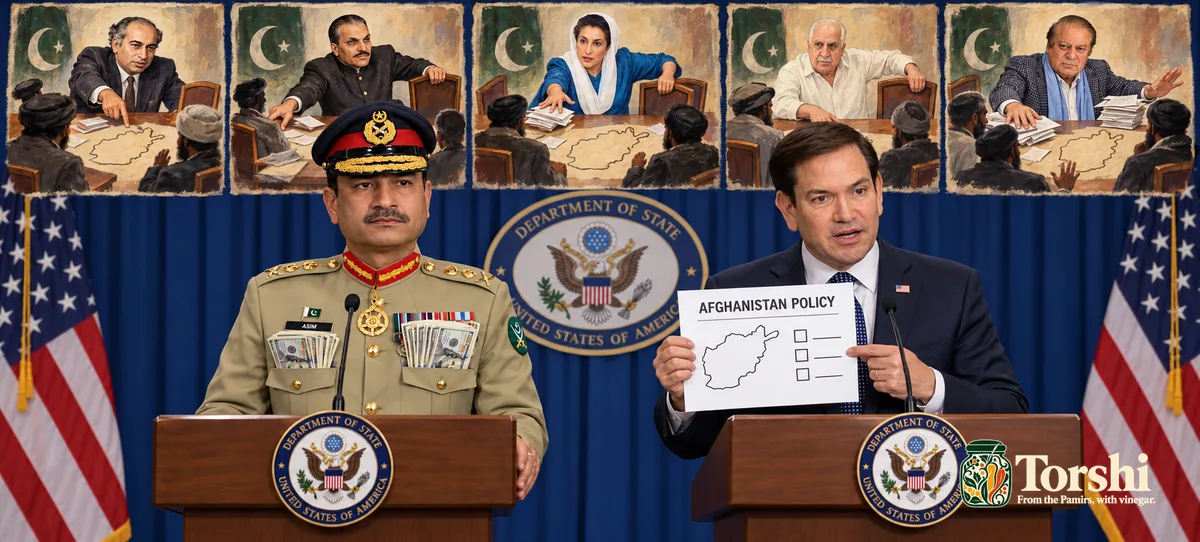
ISLAMABAD—Pakistan accused the Taliban of betraying forty years of strategic planning by bringing Afghanistan under control instead of keeping it permanently on fire.
“When we said Kabul must burn, we didn't mean sunlight,” Rawalpindi protested. “We meant flames, preferably with American funding to put them out.”
Islamabad complained that the Taliban had reduced violence by becoming the government, leaving Pakistan with fewer Afghan emergencies to manage and more militants asking why jihad stopped at the Durand Line.
Marco Rubio expressed sympathy. “Pakistan helped us sow terrorism for twenty years. It would be unfair to investigate why terrorism needed so much help.”
Rawalpindi demanded the Taliban restore Afghanistan's traditional instability. Kandahar refused: insurgency was excellent for overthrowing governments but terrible for remaining one.
Pakistan warned that a peaceful Afghanistan might start trading, educating children and choosing friends without asking a Pakistani general.
Washington revisited its War on Terror and discovered Pakistan was both the problem it couldn't solve and the partner it couldn't afford to lose.
Rubio sympathized with Islamabad, assuring Pakistan that Washington would continue funding the fight against terrorism, even if it meant paying the same people to bring it back.
Rawalpindi requested compensation: after forty years of setting Afghanistan on fire, nobody had warned Pakistan it might have to breathe the smoke.