

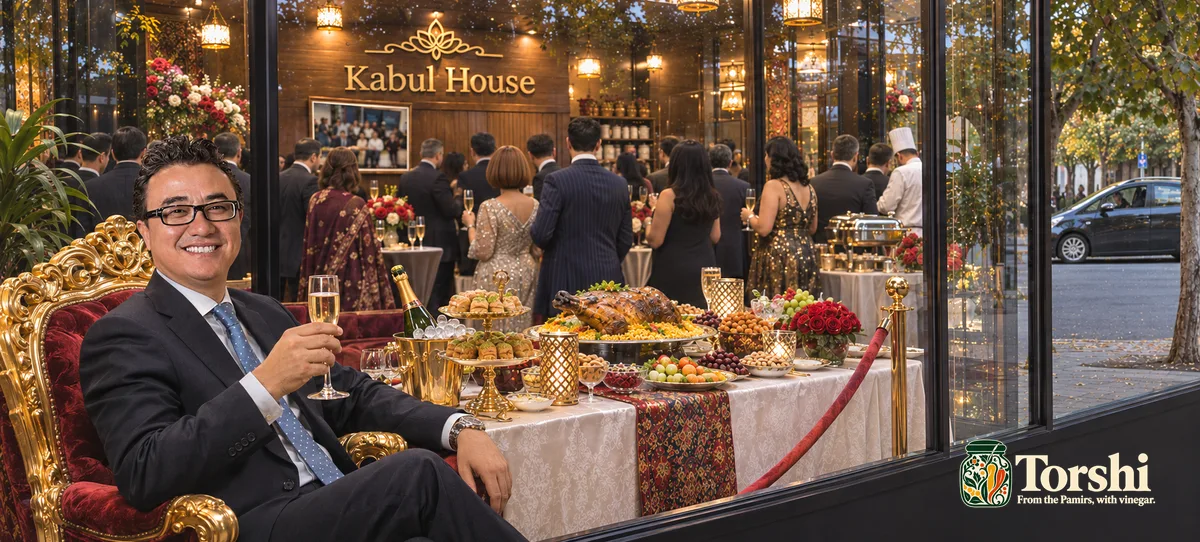
WASHINGTON—Kabul House became the Republic's unofficial embassy after former officials discovered they could revive Kabul's VIP society without rebuilding Afghanistan.
Barna Karimi proposed restoring protocol. “Governments collapse,” he explained. “His Excellency is hereditary.”
Kawun Kakar recalled Kabul's golden age, when champagne was nation-building and luxury counted as capacity development.
Hamid Arsalan proposed separating officials from taxpayers, noting democracy worked best when those financing it couldn't enter.
Masoud Andarabi requested security. Organizers offered a former bodyguard driving Uber, who demanded five stars.
Sadat and Alizai proposed restoring relations with the Republic. Its last foreign mission was a WhatsApp group administered from Dubai.
Nazira Karimi requested interviews. Three former ministers agreed if Kabul's fall was called an administrative dispute.
Atmar, Pedram, Qanuni, et al rushed to register, fearing exclusion from the next Afghan government being assembled in Washington.
Virginia's Afghan aristocracy objected. One claimed his grandfather advised George Washington on Panjshir; another claimed hereditary rights to American aid.
Guests toasted Kabul, where dollars bought loyalty, connections bought immunity and poverty awaited another donor conference.
Outside, Khalid Payenda recognized his former ministers. They requested a ride to the good old days. He entered Kabul into the GPS. Nobody recognized the destination.